Cloud Security
1. What is Cyber Threat Intelligence?

Cyber Threat Intelligence refers to the process of gathering, analyzing, and applying information about potential or existing cyber threats. It helps organizations understand and prepare for cyberattacks by providing insights into the techniques, motives, and behaviors of threat actors. The goal of CTI is to improve security defenses, detect vulnerabilities, and respond effectively to cyber incidents. It provides actionable intelligence to prevent data breaches, malware infections, and other cyber threats.
There are three primary types of Cyber Threat Intelligence: Strategic, Tactical, and Operational. Strategic intelligence focuses on broad, long-term trends and helps leadership make informed decisions about cybersecurity investments. Tactical intelligence deals with technical information like malware signatures, IP addresses, and indicators of compromise (IOCs) that security teams use to protect systems. Operational intelligence provides real-time insights about active threats, enabling rapid detection and response to ongoing attacks.
Effective Cyber Threat Intelligence relies on data from various sources, including open-source intelligence (OSINT), threat intelligence platforms, and dark web monitoring. Organizations use CTI to stay ahead of emerging threats, strengthen their security posture, and minimize risks. By integrating CTI into their security operations, businesses can proactively defend against cyberattacks, reduce the impact of incidents, and maintain compliance with security regulations.
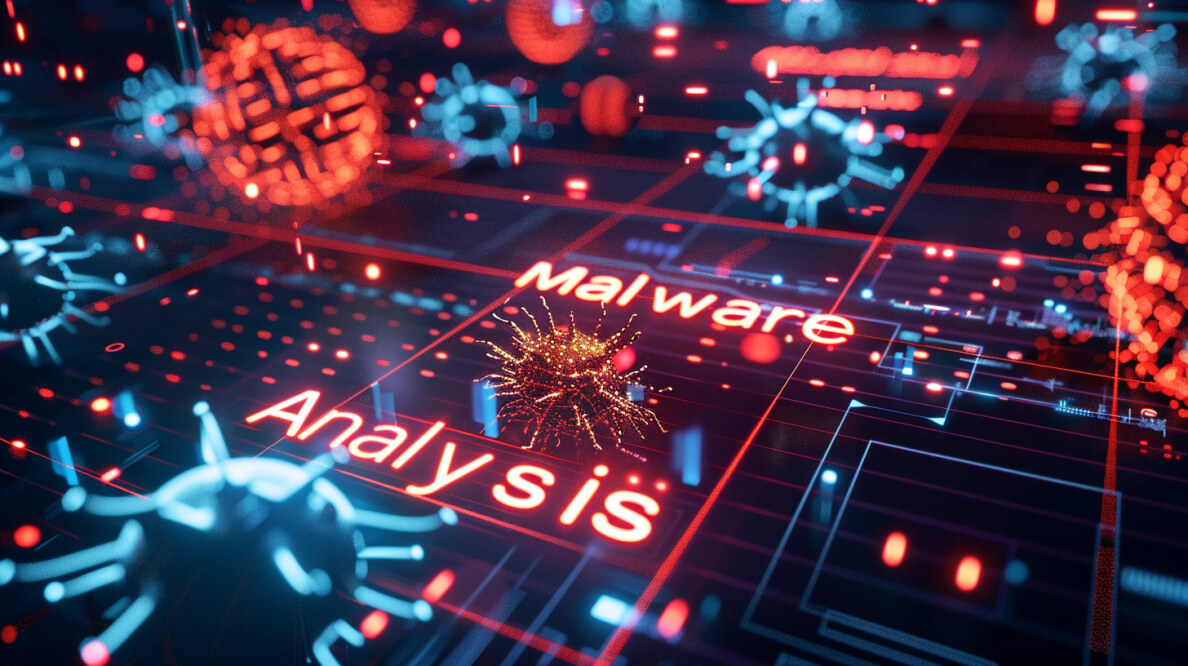
2. Malware Analysis
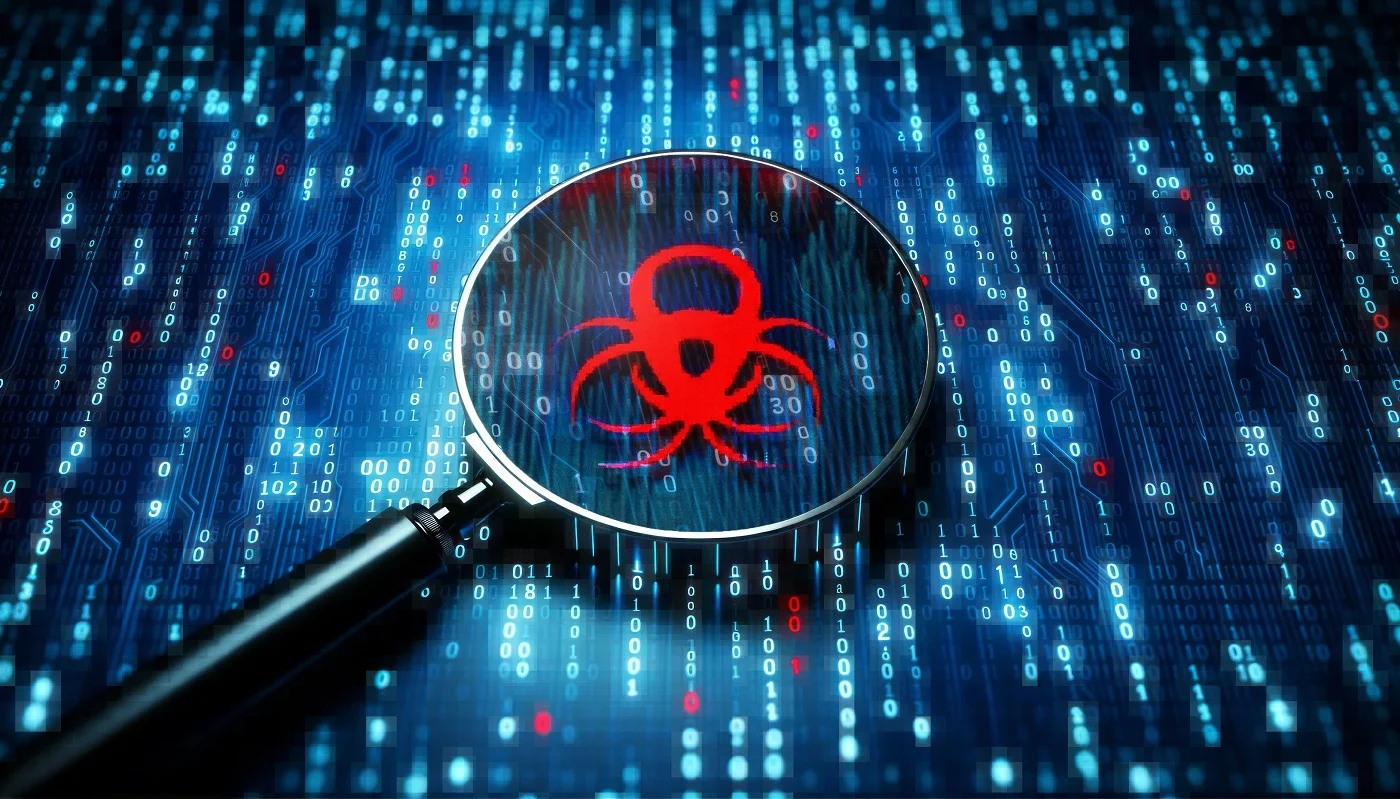
Malware Analysis cis the process of examining malicious software to understand its functionality, origin, and impact. It helps cybersecurity professionals identify how malware operates, what damage it can cause, and how to protect systems against it. Malware can include viruses, worms, trojans, ransomware, and spyware. By analyzing malware, security teams can develop better detection and response strategies to mitigate threats and prevent future attacks.
There are three main approaches to malware analysis: Static Analysis, Dynamic Analysis, and Hybrid Analysis. Static analysis involves examining the code without executing the malware, using tools like disassemblers and antivirus scanners to identify patterns and signatures. Dynamic analysis involves running the malware in a controlled environment (sandbox) to observe its behavior in real-time. Hybrid analysis combines both methods to gain a comprehensive understanding of how the malware operates, which is especially useful for detecting advanced threats.
Malware analysis is essential for organizations to improve their cybersecurity posture. It helps identify vulnerabilities that malware exploits and provides insights for creating stronger defenses. This process also supports incident response, allowing security teams to remove malware effectively and prevent re-infection. With the rise of sophisticated malware, continuous analysis and monitoring are crucial for safeguarding sensitive data and maintaining operational security.
3. Threat Hunting
Threat Hunting is the proactive process of searching through networks, systems, and datasets to detect and isolate hidden threats or malicious activities that may have bypassed traditional security measures. Unlike automated security systems that rely on known threat signatures, threat hunting involves human analysis and advanced techniques to identify unknown or evolving threats. It aims to detect cyberattacks early, minimizing potential damage and preventing future incidents.
Threat hunters use behavioral analysis, machine learning, and threat intelligence to find suspicious patterns. They investigate indicators of compromise (IOCs) such as unusual network traffic, unauthorized access attempts, and abnormal user behavior. By continuously analyzing logs and monitoring endpoints, they can uncover stealthy threats like advanced persistent threats (APTs) that automated tools might miss. This hands-on approach enhances an organization’s ability to defend against evolving cyber risks
Effective threat hunting involves three phases: Hypothesis Creation, Investigation, and Resolution. In the hypothesis stage, hunters develop theories about potential threats based on intelligence and past incidents. During investigation, they analyze system data and logs to validate these hypotheses. Once a threat is confirmed, the resolution phase involves neutralizing the threat and improving security controls. Regular threat hunting strengthens overall cybersecurity posture and helps organizations stay ahead of sophisticated cyber adversaries.
4.Security Information & Event Management (SIEM)
Security Information & Event Management (SIEM) is a comprehensive solution that provides real-time monitoring, analysis, and management of security-related data from various sources across an organization's network. It combines Security Information Management (SIM) and Security Event Management (SEM) to collect, store, and analyze log data from devices like firewalls, servers, and applications. SIEM systems help organizations detect, investigate, and respond to security threats quickly by offering a centralized view of potential risks.
SIEM works by gathering logs and event data from multiple sources, normalizing this information, and applying correlation rules to identify suspicious activity. When a potential threat is detected, the system generates alerts, allowing security teams to investigate further. It helps in detecting unauthorized access, malware infections, and insider threats by continuously analyzing patterns and anomalies. Additionally, SIEM platforms assist with compliance by maintaining detailed audit trails for standards like GDPR, HIPAA, and PCI-DSS.
Modern SIEM systems often integrate with advanced technologies like machine learning and threat intelligence to improve accuracy and reduce false positives. These systems support incident response by providing forensic data, enabling quick analysis of security breaches. By centralizing and automating security monitoring, SIEM enhances an organization's ability to detect complex threats, respond effectively, and maintain a robust cybersecurity posture.
.jpeg)
5.Indicators of Compromise (IoCs)
Indicators of Compromise (IoCs) are pieces of forensic data or evidence that signal a potential security breach or malicious activity within a system or network. These indicators help cybersecurity professionals detect and respond to threats by identifying unusual patterns or signs of an attack. Common IoCs include suspicious IP addresses, unusual network traffic, malware signatures, and unauthorized file changes, which can indicate the presence of cyber threats like malware, phishing, or data breaches.
IoCs are categorized into file-based, network-based, and behavioral indicators. File-based IoCs include malicious file hashes (e.g., MD5, SHA-256) that identify specific malware. Network-based IoCs track abnormal traffic patterns, suspicious domain names, and IP addresses linked to known attacks. Behavioral IoCs monitor system activities such as unauthorized user access, irregular login times, or abnormal data transfers. These indicators provide early warnings, allowing security teams to contain and mitigate threats quickly.
Organizations collect and share IoCs through platforms like MITRE ATT&CK, STIX/TAXII, and threat intelligence feeds. By using IoCs in Security Information and Event Management (SIEM) systems, companies can automate threat detection and improve incident response. Analyzing IoCs not only helps in identifying ongoing attacks but also enhances the ability to prevent future security breaches by recognizing recurring patterns and strengthening overall cybersecurity defenses.
.jpg)
6.Advanced Persistent Threats (APTs)
Advanced Persistent Threats (APTs) are highly sophisticated, targeted cyberattacks where unauthorized users gain prolonged access to a system or network without detection. These attacks are typically carried out by well-funded groups, including nation-states or organized cybercriminals, with the aim of stealing sensitive information, conducting espionage, or disrupting operations. Unlike common cyberattacks, APTs are carefully planned and executed over long periods, making them difficult to detect and mitigate.
APTs usually follow a multi-stage process: (1) Reconnaissance—gathering intelligence about the target; (2) Initial Compromise—exploiting vulnerabilities through phishing or zero-day attacks; (3) Establishing a Foothold—deploying malware for persistent access; (4) Privilege Escalation—gaining higher-level access to critical systems; (5) Lateral Movement—spreading across the network to find valuable data; (6) Data Exfiltration—stealing and transferring sensitive information; and (7) Maintaining Access—ensuring continued entry even if the attack is partially detected.
o defend against APTs, organizations implement multi-layered security strategies such as network segmentation, advanced endpoint detection, and regular system monitoring. Using threat intelligence feeds and behavioral analytics helps identify anomalies linked to APTs. Security frameworks like MITRE ATT&CK are commonly used to map APT tactics and techniques. Promptly responding to APTs through incident response plans and threat hunting minimizes the damage and prevents long-term infiltration, ensuring critical assets remain secure
.webp)
7. Phishing Attacks
Phishing Attacks are a type of social engineering cyberattack where attackers trick individuals into revealing sensitive information, such as usernames, passwords, credit card details, or other confidential data. These attacks typically occur through emails, text messages (smishing), or fake websites designed to appear legitimate. Phishing often relies on psychological manipulation, creating urgency or fear to prompt the victim to take quick action, such as clicking on a malicious link or downloading a harmful attachment.
There are several types of phishing attacks, including spear phishing, which targets specific individuals or organizations with personalized messages, and whaling, which focuses on high-profile targets like executives. Clone phishing involves creating a duplicate version of a legitimate email with malicious links, while vishing uses voice calls to trick victims. Another advanced form is pharming, where attackers redirect users from legitimate websites to fake ones without their knowledge. Each type of phishing aims to bypass traditional security measures and exploit human vulnerabilities
To protect against phishing attacks, individuals and organizations should implement email filtering, multi-factor authentication (MFA), and employee training programs to recognize phishing attempts. It's essential to verify the authenticity of unsolicited communications and avoid clicking on suspicious links. Regularly updating security systems and using advanced anti-phishing software can help detect and block phishing attempts. Reporting suspicious messages to the appropriate security team is also crucial to prevent further attacks and protect sensitive data.

8. Ransomware Defense
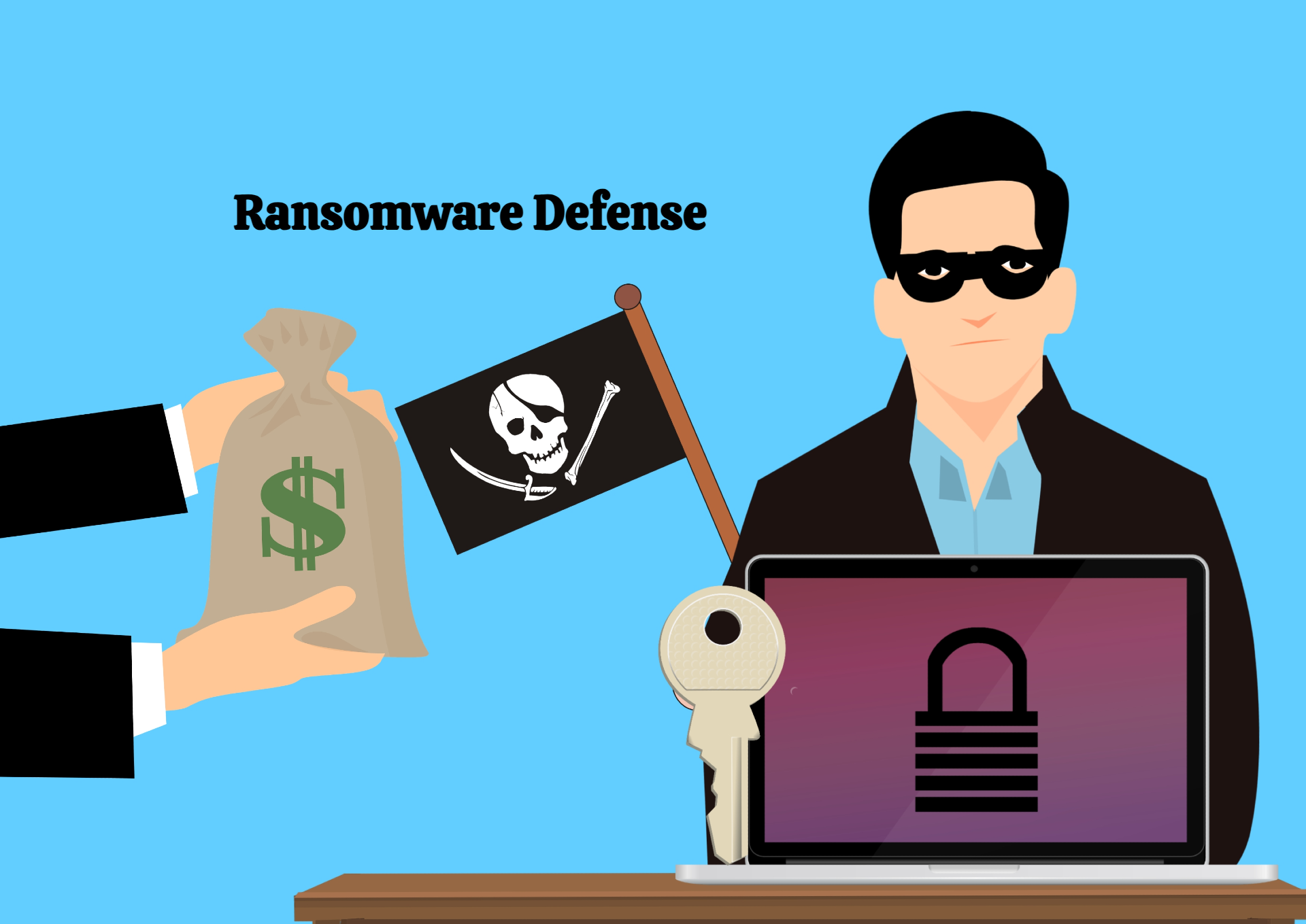
Ransomware Defense refers to the strategies and measures taken to protect systems and data from ransomware attacks. Ransomware is a type of malicious software that encrypts a victim’s files, making them inaccessible until a ransom is paid to the attacker. Effective defense requires a multi-layered approach combining prevention, detection, and response to minimize the risk and impact of an attack. Organizations should prioritize both technological and human-centered solutions to build a comprehensive ransomware defense strategy.
One of the most critical aspects of ransomware defense is regular data backups. Organizations should implement an offline, offsite, and immutable backup strategy to ensure that encrypted files can be restored without paying the ransom. Network segmentation helps to limit the spread of ransomware by isolating critical systems from regular user access. Additionally, endpoint detection and response (EDR) solutions can identify and block ransomware at its early stages. Regularly updating software and applying patches reduces vulnerabilities that ransomware can exploit.
User education and phishing awareness training are also essential in ransomware defense, as many attacks originate from malicious emails. Implementing multi-factor authentication (MFA) adds an extra layer of security to prevent unauthorized access. Organizations should establish an incident response plan to react quickly if ransomware is detected. This plan should include isolation protocols, forensic analysis, and legal consultation. By combining proactive measures and rapid response strategies, organizations can reduce the likelihood of ransomware infections and mitigate their effects if they occur.
Comments